
17.12. 2025
Czech Modal Verbs Without Tears
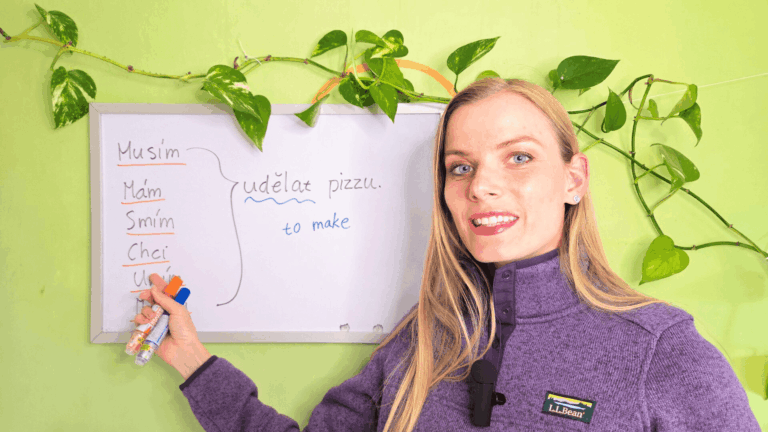
This blog post summarizes how to use the modal verbs muset, mít, smět, umět, chtít, and moct. You can practice all of them in a fun dialogue at the end!
This blog post summarizes how to use the modal verbs muset, mít, smět, umět, chtít, and moct. You can practice all of them in a fun dialogue at the end!
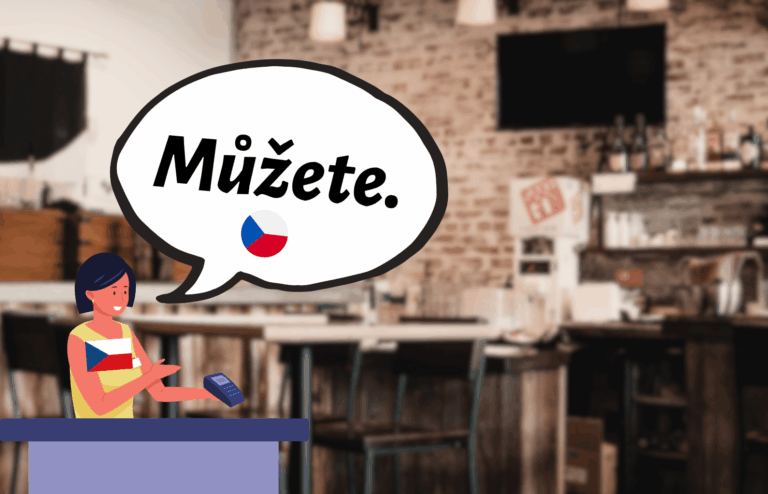
Imagine this: You’re at the café in the Czech Republic, ready to pay by card, and the server points to the terminal and says: “You can.” In English, this might sound a little odd—but in Czech, it makes perfect sense. In Czech, the server would say: “Můžete.” It simply means: You can (tap now) — the...
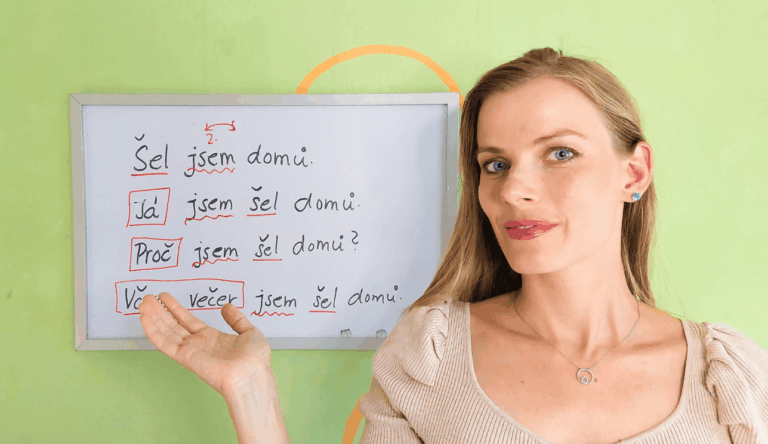
Czech word order is relatively free. – Have you heard this before? It is true if you focus on the word relatively. The word order in Czech is indeed quite flexible, but there are many rules that will keep you on your toes. One of those important things to keep in mind is the so-called...

“Oh, it’s one of those verbs. I never know how to deal with them!” my student tells me as soon as we come across spadnout (to fall). It belongs to this peculiar category of verbs that learners seem to be a bit afraid of, maybe rightfully so. It’s confusing when it comes to their conjugation until you...
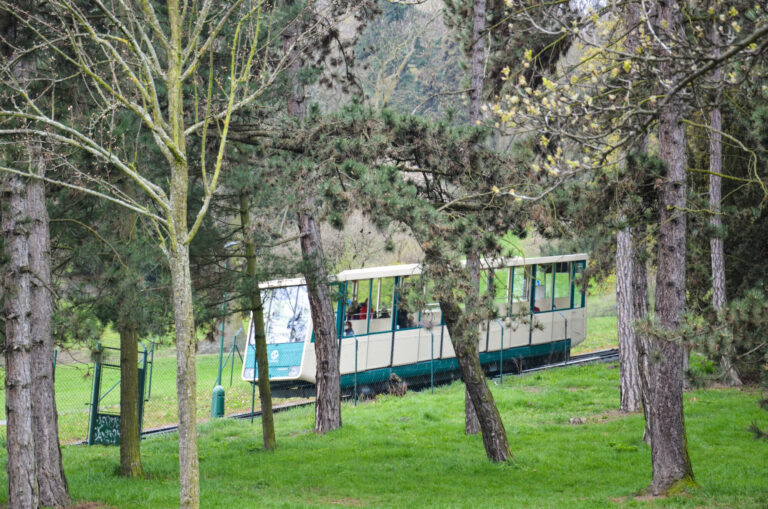
When it comes to using the means of transport in a phrase, we have to consider picking the right verb and, of course, the right form of the noun (the particular means of transport). By the right form, I mean the right case. What does that mean? Read below. Would you prefer to watch this lecture in...

One of my subscribers once asked how we can express plans in the future in Czech. Here are my answers!You can also watch a video where I explain this topic: The first option that comes to mind about talking about the future is actually using the future tense. For that, we have two possibilities: 1. Future tense...

Watch a video lesson about this topic here. My students give me endless inspiration for learning videos. In one of my lessons the other day, my student and I somehow got to the verb mást (to confuse). She said, “I have never heard of such a verb.” Truth be told, it is more common to come across the...

Why do we say počkej (wait), but nečekej for don’t wait? Making imperatives in Czech can be a bit confusing, but don’t worry (neboj se/ nebojte se), there are rules which we can follow. And, there are also irregular verbs which don’t follow those rules. Well, that’s Czech, you’re probably not surprised. First, let’s have a look at...





 Zuzana Mikulecká